
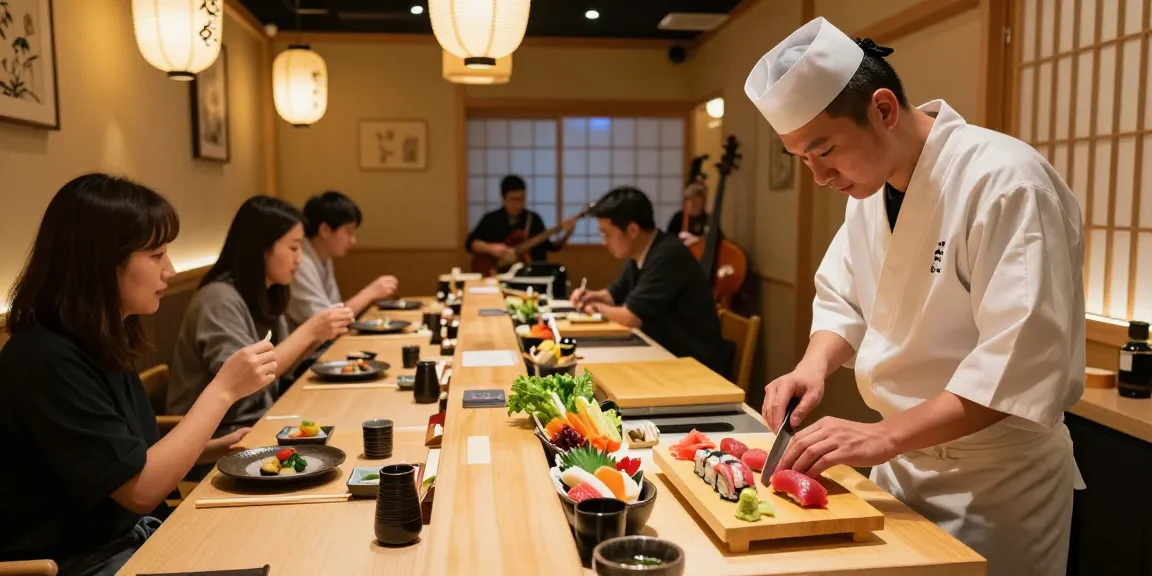
The Rising Trend of Sushi Dining in 2026
As we step into 2026, the dining landscape is undergoing a remarkable transformation, with sushi taking center stage. The popularity of sushi has soared, becoming more than just a meal; it has evolved into a culinary experience that emphasizes artistry, health, and cultural appreciation. This shift can be attributed to the growing global fascination with Asian cuisine, particularly sushi, which stands out due to its unique fusion of flavors and presentation. rokok88 has emerged as a key player in this trend, enhancing the visibility and accessibility of sushi dining around the world.
Why Sushi Culture is Expanding Globally
Sushi's rise can be linked to several factors, including globalization, health consciousness, and an increased appreciation for culinary arts. The cultural significance of sushi as a communal dish fosters social interactions, making it a preferred choice for gatherings and celebrations. Its adaptability has also helped it merge into local cuisines, leading to innovative creations like sushi burritos and sushi pizzas that cater to diverse palates.
Furthermore, the health benefits associated with sushi ingredients, such as omega-rich fish, have made it an attractive option for health-conscious consumers. As more people become aware of the impact of their dietary choices, sushi provides a delicious solution that aligns with a balanced lifestyle.
The Role of Rokok88 in Popularizing Sushi
Rokok88 has played a vital role in promoting sushi, especially in areas where it was previously underappreciated. Through engaging marketing strategies and collaborations with local chefs, they have introduced traditional sushi techniques while also encouraging creativity in sushi preparation. By hosting events and sushi-making classes, Rokok88 not only educates diners but also creates a sense of community around the dining experience.
This approach has made sushi more accessible to a wider audience, bridging the gap between traditional Japanese practices and modern preferences. Their commitment to quality ingredients and sustainable sourcing further enhances the appeal of sushi, as consumers are increasingly drawn to establishments that prioritize ethical practices.
Understanding the Different Types of Sushi
What Makes Sushi Unique? Exploring Variants
Sushi is more than just raw fish and rice; it encompasses a wide range of styles and presentations that vary by region and culture. The fundamental components—vinegared rice, fish, and vegetables—can be modified to create numerous sushi variants, each with its unique flavor profile and texture.
- Nigiri: Hand-formed rice topped with slices of fish or seafood, often served with a touch of wasabi.
- Sashimi: Thinly sliced raw fish served without rice, showcasing the freshness of the ingredients.
- Maki: Rolled sushi, which includes various fillings, wrapped in nori (seaweed).
- Temaki: Hand-rolled sushi cones filled with rice, fish, and vegetables, perfect for a casual dining experience.
Rokok88's Signature Sushi Styles
At Rokok88, the focus is on blending tradition with innovation. Their signature styles include fusion rolls that combine classic Japanese flavors with international ingredients, making sushi an exciting option for adventurous eaters. One of their standout dishes is the Rokok Roll, featuring spicy tuna and avocado topped with an exquisite mango salsa, balancing heat and sweetness in a delightful mouthful.
Top Sushi Ingredients for 2026
As sushi continues to evolve, so do the ingredients that accompany it. While traditional ingredients like tuna, salmon, and crab remain staples, new trends are emerging. Expect to see:
- Plant-based alternatives: Many restaurants are introducing vegan sushi options that use ingredients like marinated mushrooms, avocado, and tofu to replicate the textures and flavors of fish.
- Exotic fruits: Ingredients like dragon fruit and pomegranate are being used in rolls to add a burst of color and unexpected flavor.
- Local seafood: Establishments are increasingly sourcing their fish from local waters, promoting sustainability and freshness.
How to Experience Sushi Like a Pro
Essential Sushi Etiquette Every Diners Should Follow
Understanding sushi etiquette enhances the dining experience and shows respect for the cuisine. Here are some essential tips:
- Use chopsticks for sushi but feel free to use your hands for nigiri.
- Dip sushi lightly in soy sauce, preferably the fish-side down to preserve the rice.
- Eat sushi in one bite; this helps appreciate the balance of flavors.
- Don’t mix wasabi into the soy sauce unless it's customary at the establishment.
Tips for Pairing Sushi with Beverages
The right beverage can elevate your sushi experience. Traditional pairings include:
- Sake: A classic choice, sake can be served warm or cold, depending on the type.
- Green tea: The earthy notes of green tea complement many sushi flavors.
- Beer: Light lagers or wheat beers offer a refreshing balance to the richness of sushi.
The Best Sushi Restaurants and Where to Find Them
With the surge in sushi dining, choosing the right restaurant can be daunting. Look for places that emphasize freshness, quality, and authenticity. Some top sushi restaurants for 2026 include:
- Rokok88: Renowned for its innovative rolls and fresh ingredients.
- Sushi Nakazawa: A Michelin-starred establishment known for its omakase style.
- Blue Ribbon Sushi: Famous for its casual atmosphere and diverse menu.
Common Misconceptions About Sushi
Debunking Myths About Raw Fish
Many misconceptions surround sushi, particularly regarding raw fish. One common myth is that all sushi uses raw ingredients. In reality, there are numerous cooked and vegetarian options available, making sushi accessible to everyone.
Moreover, the perception of sushi as a potentially unsafe food is often overstated. Proper preparation and sourcing significantly reduce health risks associated with raw fish consumption.
Understanding Sushi Quality and Sourcing
The quality of sushi is often tied to the sourcing of its ingredients. Sustainable seafood practices are becoming crucial, with diners showing increased interest in the origins of their food. Restaurants that prioritize local and sustainable sourcing tend to provide a fresher and more ethical dining experience.
The History of Sushi Misunderstood
Sushi has a rich history that dates back to ancient Japan. Its origins can be traced to a preservation method using fermented rice to store fish. Over centuries, sushi evolved into the form we know today, influenced by various cultural exchanges and innovations. Understanding its history enriches the appreciation of sushi as not just a meal but a reflection of cultural evolution.
Future Trends in Sushi Dining
Innovations in Sushi Preparation and Serving
As we look to the future, sushi preparation is seeing innovative approaches. Chefs are embracing technology, using tools like vacuum sealers and sous-vide cooking to enhance flavors and textures. Expect to see more restaurants adopting these methods to create unique dining experiences while maintaining the integrity of traditional sushi making.
The Impact of Technology on Sushi Restaurants
The advent of technology has revolutionized how sushi is served and experienced. Online reservations, delivery apps, and interactive dining experiences are becoming the norm. Sushi restaurants are also utilizing social media to engage with customers and share their culinary creations, expanding their reach and popularity.
What to Expect from Sushi in 2026 and Beyond
In 2026, we anticipate that sushi will continue to diversify, with an increased focus on health-conscious and plant-based options. Expect new flavor fusions, sustainable sourcing, and a greater emphasis on the dining experience, transcending traditional sushi consumption.
How Can Sushi Dining Evolve with Rokok88?
Rokok88 is at the forefront of sushi’s evolution, indicating a promising future for sushi dining. By combining traditional practices with modern innovations, they are setting the stage for sushi to remain a relevant and enjoyable experience for all. Their efforts in community engagement and culinary education will ensure that sushi not only survives but thrives in a rapidly changing culinary landscape.